
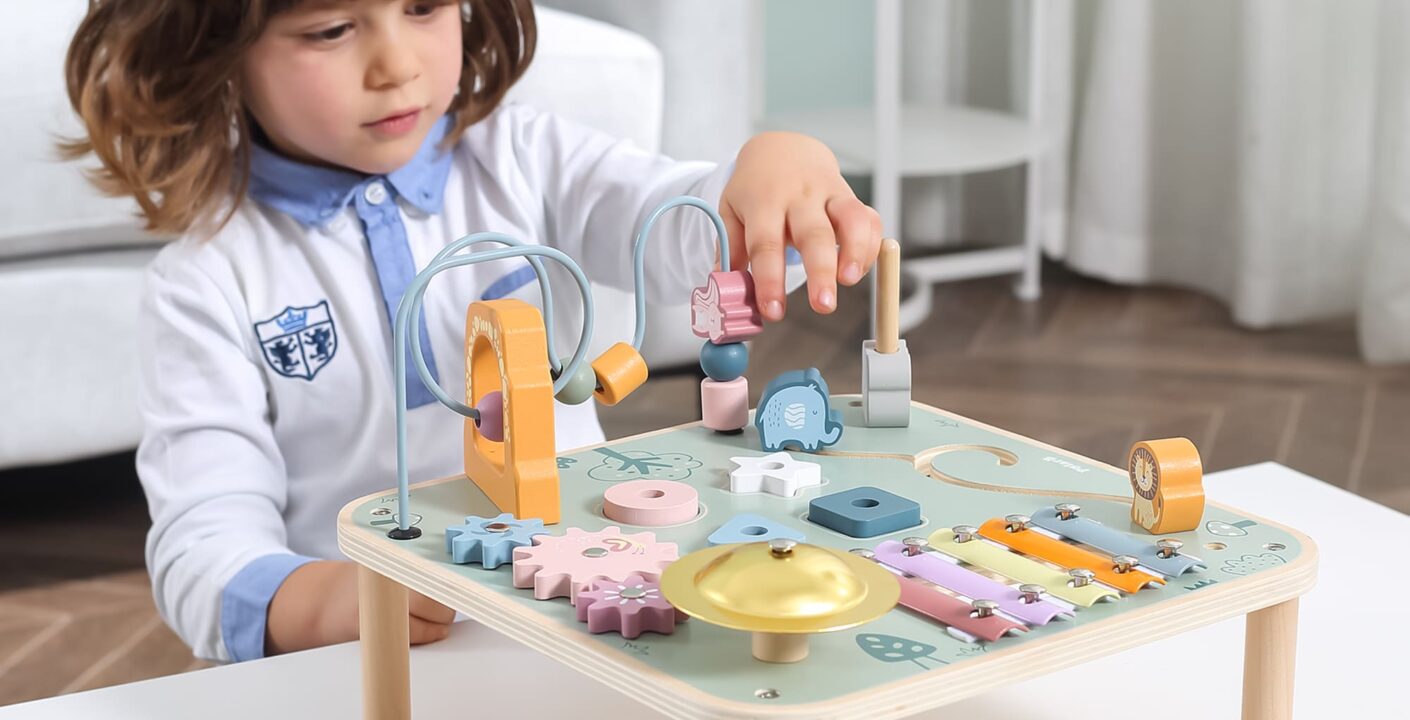

These games are assistive devices and are not a “cure” in themselves, but they are very powerful tools to support development in:
* Communication, joint attention, sensory regulation, social skills, language, emotional control, and motor skills
The best results are usually achieved when the games are used interactively and systematically with parents or professionals.
The most important professional rule: Children with autism are very different from others, so there is no “magic game” that suits everyone.
Choosing a game depends on:
* Is the child sensitive to sounds or does he enjoy sounds?
* Does he seek movement?
* Does he have a language delay?
* Does he avoid communication?
* Does he like routine and order?
* What is his mental age, not just his chronological age?
The Best Types of Toys for Children with Autism
1) Sensory Toys
This is often the most important category. They help with:
* Reducing stress, regulating sensory input, improving focus, and minimizing meltdowns.
Excellent examples:
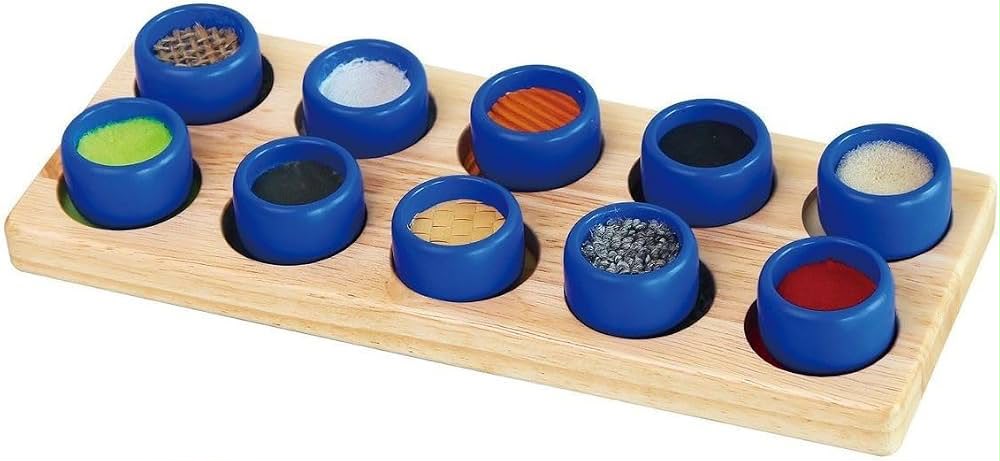
* Kinetic sand, sensory balls, squeezers, and heavy toys.
Ideal: Calming colors, non-intrusive sounds, and varied but non-shocking textures.
.
2) Cause and Effect Toys: “If you do this, this will happen.”
Excellent for toddlers or nonverbal children. They help with:
* Attention, interaction, and initiative.
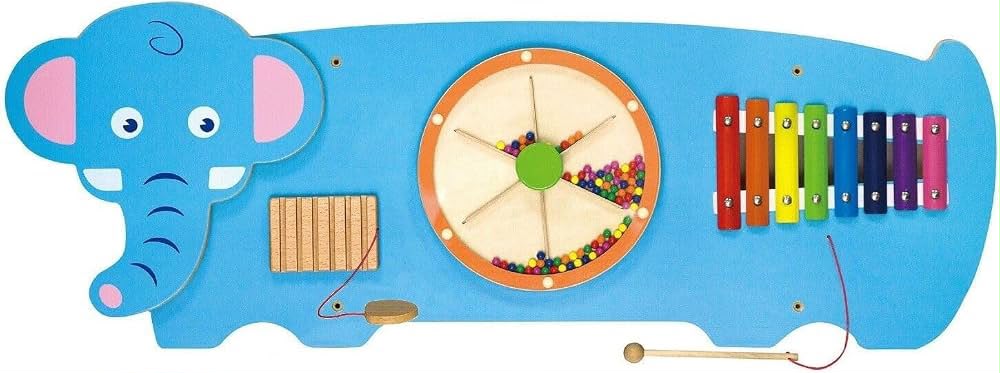
Examples: Interactive wall art, light-up and button toys, open and close toys, and simple water toys.
3) Communication and Language Toys
Very important, especially for language delays. They help with:
* Building vocabulary, eye contact, requesting objects, and verbal imitation.
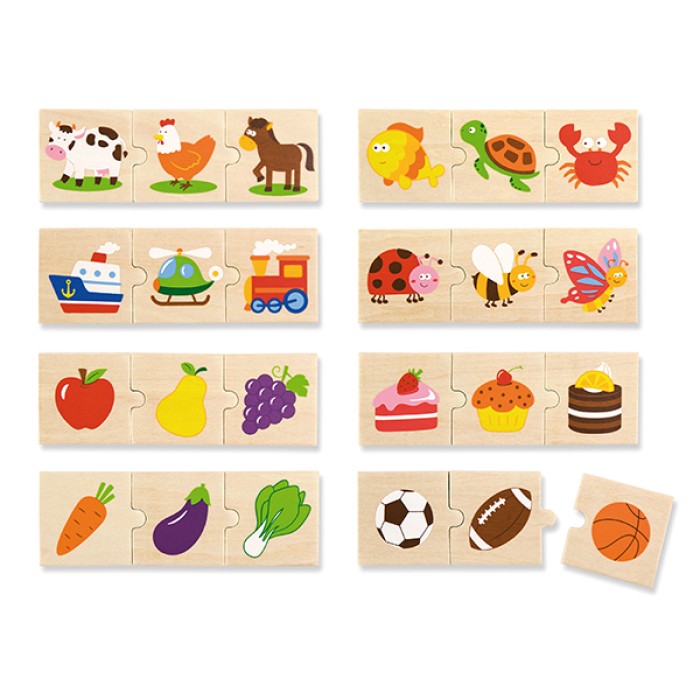
Examples: Picture cards, sorting games, word puzzles, interactive toys, and simple audiobooks.
.
4) Social Skills Toys
These are among the most important toys for children who have difficulty interacting.
They help with: Turn-taking. Understanding emotions, communicating with others, and group play.
Examples: Emotional games, role-playing games, pretend play, and simple board games.
.
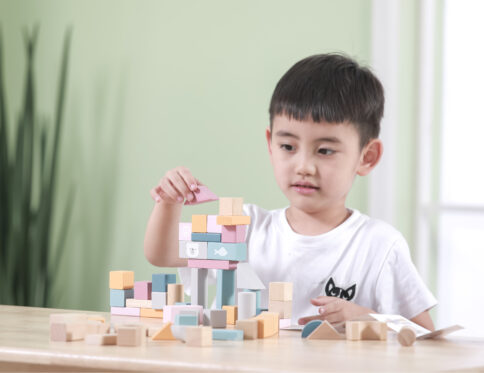
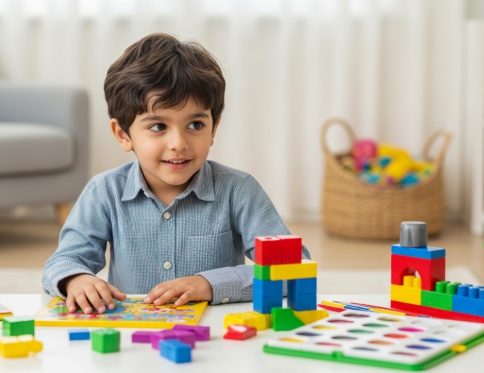
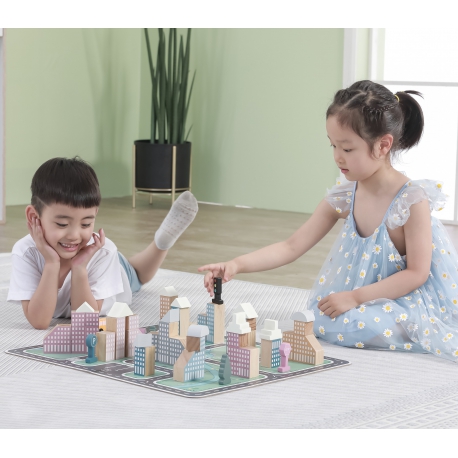
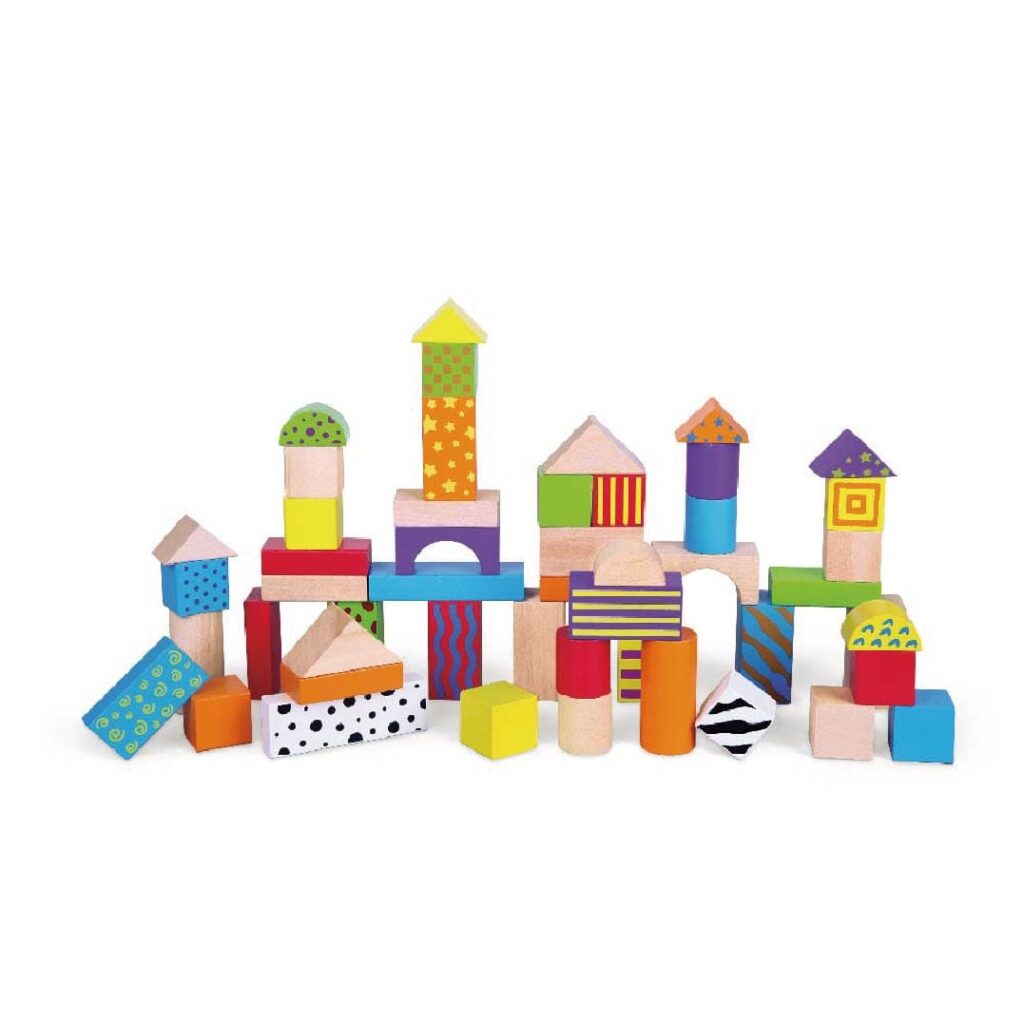
5) Construction and Building Toys
Excellent for many children with autism.
They help with: focus, planning, fine motor skills, creativity, and problem-solving.
Examples include: wooden blocks, magnetic blocks, LEGO, and puzzles.eduction, Improved sensory processing
Games to be cautious about for some children:
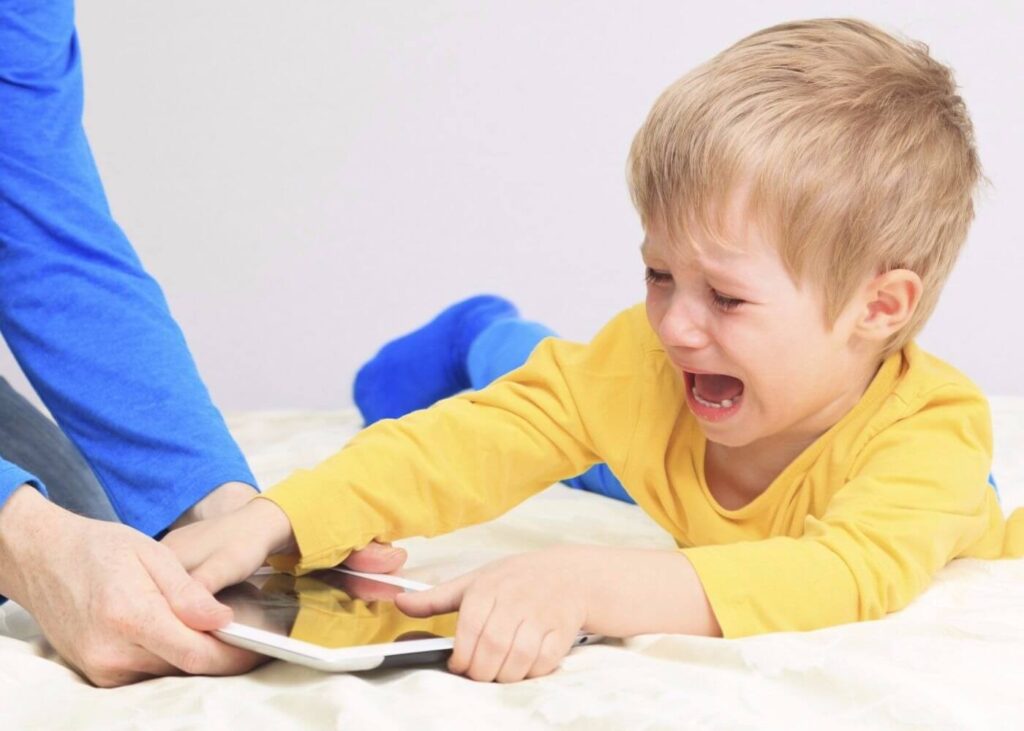
Not prohibited, but may cause overstimulation in some cases:
* Brightly lit games
* Sudden loud noises
* Very fast-paced games
* Excessive visual detail
* Screens left open for extended periods
Some studies and observations suggest that excessive video game use may become a problem for some children with autism or ADHD if time management is not properly implemented.